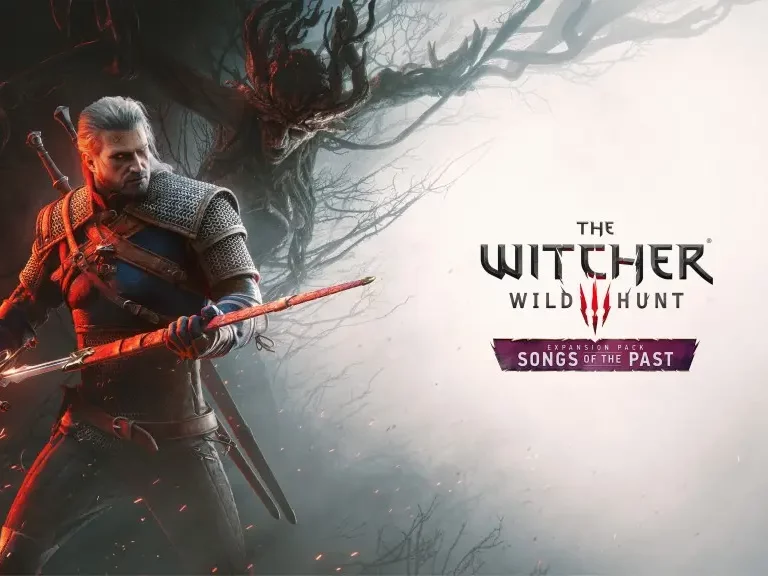
When CD Projekt announced new DLC for The Witcher 3, Songs of the Past, it got me wondering about a standard practice in the industry.
Games get patches. Games get bug fixes. Games get next-gen upgrades. Games even get DLC years after release if they’re live-service titles, but a major single-player RPG receiving brand new content more than a decade after launch? That’s almost unheard of.
So it got me wondering, have we become too quick to move on from games?
We Really Don’t Let Games Breathe Anymore
To be fair, not every game deserves a second life; nobody is sitting around in 2026 demanding new DLC for Gollum. Some games are classics that stand the test of time, while others are lucky if players remember them by the end of the year.
But for genuinely beloved games, it feels strange how quickly publishers shut the book on them. The cycle is usually the same. A game launches, receives a few patches, maybe a sizable expansion or two, then development ends as the studio shifts focus to the sequel.
That made sense when sequels arrived every three or four years, it makes a lot less sense when players are waiting the better part of a decade.
The Witcher 3 is still played today, and people are still discovering it today. Yet under normal circumstances, CD Projekt would have been expected to leave it behind years ago simply because that’s what the industry does.
The question is why?
If people still love the world, still buy the game, and still actively discuss it, why is the expectation that developers simply move on?
The Eight-Year Wait For A Sequel Is Getting Silly
The biggest difference between gaming today and gaming twenty years ago is the amount of time it takes to make a blockbuster title. AAA development has become enormous, and everything is growing with the input these games need to try to bring what we want.
Teams are bigger. Budgets are bigger. Expectations are bigger and as a result, the gaps between sequels are becoming absurd. Players can now wait eight, ten or even twelve years for a follow-up to a game they love. Entire console generations can pass before a franchise receives another mainline entry. (Here’s looking at you, Rockstar)
So here’s the question: if studios know fans will be waiting that long anyway, why aren’t more of them creating substantial expansions for existing games?
Imagine FromSoftware suddenly announcing a new area for Bloodborne, the gaming community would collectively lose its mind. At this point, some Bloodborne fans would probably celebrate a new loading screen if it came with a FromSoftware logo attached.
Of course, a DLC isn’t the same as a sequel. New stories and new ideas are important. Developers shouldn’t become trapped endlessly revisiting the past.
But surely there’s a middle ground.
A major expansion released six or seven years after launch could keep a community engaged, generate revenue, and give fans something meaningful while they wait for the next big release.
In many cases, it might even be a smarter use of resources than starting from scratch.
Maybe The Witcher 3 Isn’t The Weird One
The more I think about it, the less surprising Songs of the Past becomes. The Witcher 3 remains one of the most celebrated RPGs ever made. The audience never really disappeared and the demand never really disappeared either.
Perhaps the strange thing isn’t that CD Projekt is returning to a ten-year-old game.
Perhaps the strange thing is that more publishers aren’t doing the same.
As development cycles continue to grow longer and longer, maybe the future isn’t choosing between sequels and DLC, maybe it’s learning that great games don’t have to be abandoned just because they’ve hit a certain age.